
Water Damage Restoration FAQs for Pensacola, FL
Water damage raises a lot of questions, and fast. Below are short, clear answers to the questions Pensacola property owners ask most often. Every property is different, so use these as general guidance. For help with your situation, contact us any hour, any day.
- 24/7 Emergency Calls
- Free Estimates
- Licensed and Insured
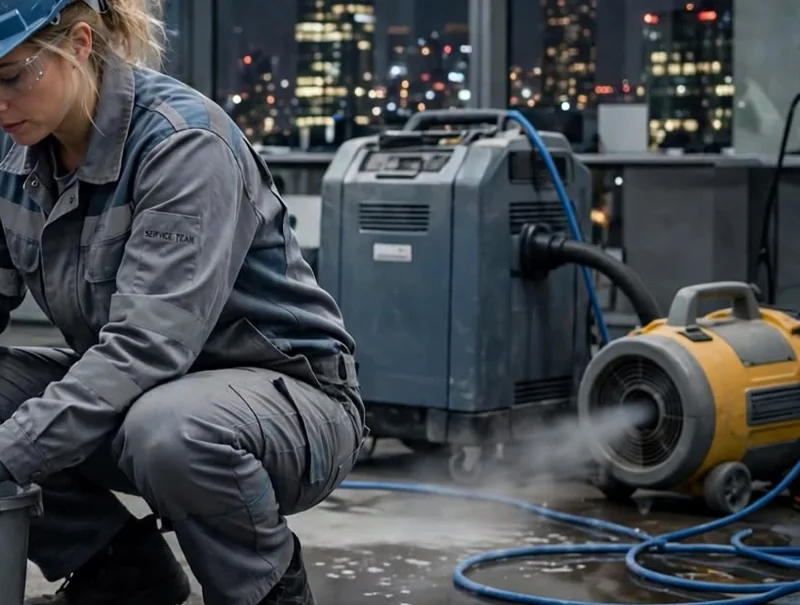
First Steps After Water Damage
What should I do first when water damage happens?
Make the area safe, stop the water if you can, and then call for help. Stay out of rooms where water is near outlets, panels, or appliances. Close the main water valve for a pipe or appliance leak, and take photos for your records. For any immediate danger, call 911. See Emergency Water Damage Restoration.
Is it safe to stay in my home after a water leak?
It depends on the water and the damage. Leaving is the safer choice if water touched electrical systems, if sewage or floodwater is involved, or if ceilings are sagging. For a small, clean-water leak, many people can stay once the source is stopped and the area is safe.
Should I turn off the power during a water emergency?
Turn off power to the affected area at the breaker panel only if you can reach it without standing in water. If you cannot do it safely, stay away and call 911 or a qualified electrician. Never touch wet outlets, cords, or appliances.
Should I call a plumber or a water damage company first?
If water is still flowing, stop it first and call a plumber to fix the source. Then call a restoration company to deal with the water that is already in the building. They are two separate jobs, and the sooner both start, the less damage you are likely to have.
What should I take photos of before cleanup begins?
Photograph the water, the source, the damaged areas, and your belongings before moving anything. Take wide shots and close-ups, and keep a list of damaged items. These records help when you talk to your insurance company.
Water Removal and Drying
How long does it take to dry a house after water damage?
Drying often takes several days, and it can take longer for thick materials, large losses, or humid weather. The time depends on how much water got in, the materials involved, and the conditions inside. We do not promise a fixed timeline without seeing your property. See Structural Drying & Dehumidification.
Why do I need dehumidifiers and air movers if the water is already gone?
Because moisture stays inside walls, floors, and insulation after the standing water is removed. Air movers help moisture evaporate, and dehumidifiers pull it out of the air. Without both, materials can stay damp and lead to damage or mold.
Can I dry water damage myself with fans?
For a very small, clean-water spill, fans and a dehumidifier may help. For larger or older damage, fans alone often miss moisture inside walls and subfloors. If you are unsure, a moisture check can show whether materials are really dry.
How do I know if my walls or floors are still wet?
Surfaces can feel dry while materials stay damp inside. Warning signs are peeling paint, warped floors, a musty smell, and swollen baseboards. A moisture meter gives a more reliable answer than touch.
Do I have to replace my drywall after water damage?
Not always. Drywall that was wet briefly with clean water can sometimes be dried. Drywall that stayed wet for a long time, or that touched sewage or floodwater, often needs to be removed. The right answer depends on how wet it got and for how long.
What is the difference between water extraction and structural drying?
Water extraction removes liquid water you can see. Structural drying removes the moisture left inside materials. Most water damage jobs need both. See Water Extraction & Removal.
Costs and Insurance
How much does water damage restoration cost in Pensacola?
The cost depends on how much water there is, what type it is, how long it has been there, and the materials involved. A small clean-water leak costs much less than a flooded home or a sewage loss. We do not guess prices without knowing the situation, so call us and describe it.
Does homeowners insurance cover water damage in Florida?
Often, sudden and accidental water damage, such as a burst pipe, is covered. Damage from slow leaks, wear, or flooding is often treated differently. Your policy decides, so check it or ask your insurer. We cannot promise coverage.
Does homeowners insurance cover flood damage?
Standard homeowners policies typically do not cover flood damage. Flood coverage is usually a separate policy, such as one through the National Flood Insurance Program (NFIP) or a private insurer. Call your agent to see what you have.
Does insurance cover sewer or drain backups?
Many standard policies do not cover sewer or drain backups unless you added a water backup endorsement. Check your policy or ask your insurance agent.
What records should I keep for an insurance claim?
Keep photos and video of the damage, a list of damaged items, receipts, repair estimates, and notes of who you spoke to and when. Report the loss promptly. Documentation does not guarantee approval, but it helps you explain what happened.
Mold After Water Damage
Can mold grow after water damage?
Yes. Mold can start growing on wet materials within a day or two, and Pensacola's humid weather makes that more likely. The EPA advises drying wet materials within 24 to 48 hours to help prevent mold growth. See Mold Remediation.
How do I know if I have mold?
Look for fuzzy or spotted patches, stains on walls or ceilings, and a musty smell. A smell or a stain does not prove mold. A licensed mold assessor can confirm what you have.
Can I just clean or paint over mold?
Painting over mold does not fix it, and surface cleaning alone often misses the moisture that caused it. Small areas on hard surfaces may be handled with care. Larger areas, hidden mold, or mold after sewage or floodwater should be handled by a professional.
Do you do mold testing?
Mold testing and inspection are separate services done by a licensed mold assessor. We help with moisture and remediation, and we will tell you when testing is a good idea.
Sewage, Floods, Storms, and Roof Leaks
Is sewage water dangerous?
Yes. Sewage can contain bacteria, viruses, and other contaminants. Keep people and pets away, avoid contact, and do not try to clean it up with household methods. See Sewage Backup Cleanup.
What is Category 1, 2, and 3 water?
Industry guidance groups water into three categories. Category 1 is clean water, such as from a supply line. Category 2 is used water, such as from a washing machine. Category 3 is heavily contaminated water, such as sewage or floodwater. The category changes how the cleanup is handled.
What should I do after hurricane or storm flooding?
Stay safe first. Avoid floodwater, stay away from downed power lines, never run a generator indoors, and wait for officials to say it is safe to return. Then document the damage and call your insurer and a restoration company. See Flood & Storm Damage Cleanup.
Can belongings that touched floodwater be saved?
Hard, nonporous items can often be cleaned and disinfected. Porous items, such as carpet, padding, mattresses, and upholstered furniture, often cannot be saved. Food and medicine that touched floodwater should be thrown away.
What do I do about a roof leak that stained my ceiling?
Stay out from under sagging ceilings, protect your belongings, and call a roofer to cover and repair the roof. Then have the wet ceiling, insulation, and attic dried. See Roof Leak Water Damage.
Do you help with water in a crawl space or lower level?
Yes. We can help with water in crawl spaces, garages, and lower-level rooms. Basements are less common in Pensacola, but low spaces collect water first. See Basement Water Damage.
Leaks and Plumbing
How do I know if I have a hidden water leak?
Common signs are ceiling or wall stains, peeling paint, warped floors, a musty smell, and a water bill that keeps rising. A water meter that keeps moving when everything is off is another clue. See Water Leak Detection.
What should I do if a pipe bursts?
Close the main water shutoff, stay away from electrical hazards, and call a plumber to fix the pipe. Then call a restoration team to remove water and dry the building. See Burst Pipe Water Damage.
What should I do if my water heater is leaking?
Turn off the power or gas to the heater, close the cold water supply valve, and call a plumber. If you smell gas, leave the building and call 911. Then have the water damage cleaned up and dried. See Water Heater Leak Cleanup.
Do you repair pipes, roofs, or electrical problems?
No, not the source. We deal with the water and the damaged materials, and after drying we can handle repairs and rebuilding, such as drywall, insulation, and flooring. We do not repair the cause itself. A broken pipe needs a licensed plumber, a roof leak needs a roofer, and electrical problems need a qualified electrician. We will tell you when another professional is needed.
Estimates, Availability, Repairs, and Insurance
Do you offer free estimates?
Yes. We offer free estimates for water damage restoration in Pensacola. Describe the situation, and we will explain what we find and what the work may involve before it begins. If an inspection later shows more damage or hidden moisture, we will talk with you before any extra work starts.
Are you available 24/7?
Yes. You can call us any hour, any day, 24 hours a day and 7 days a week, for water damage emergencies in Pensacola. Response time depends on your location, the weather, and how many calls we have at once, so during a major storm it may take longer. See Emergency Water Damage Restoration.
Do you handle repairs and rebuilding after drying?
Yes. After your property is dry, we can handle repairs and rebuilding for the areas that were removed or damaged, such as drywall, insulation, and flooring. Work that belongs to another licensed trade, such as plumbing, roofing, and electrical, is still done by a qualified professional. We will tell you which parts of your job we handle and which need someone else.
Do you work directly with my insurance company?
Yes. We can work with your insurance company by documenting the damage with photos, moisture readings, and notes, and by talking with your adjuster about the scope of work. Your insurer makes the coverage decision, not us, and you stay responsible for your deductible and any work your policy does not cover.
Service Area and Working With Us
Do you serve my neighborhood or ZIP code in Pensacola?
We serve Downtown Pensacola, Seville Square, North Hill, Old East Hill and East Hill, Belmont-DeVilliers, Long Hollow, Aragon, Eastside, and East Pensacola Heights, plus many ZIP codes around the city. Your exact address decides, so call to confirm. See Areas We Serve.
Do you work with businesses and property managers?
Yes. We help with water damage in offices, shops, restaurants, and rental buildings. See Commercial Water Damage Restoration.
I rent my home. What should I do after water damage?
Tell your landlord or property manager right away, ideally in writing, and keep copies of your photos and messages. Also check your renter's insurance for your belongings.
What should I tell you when I call?
Give us your address or neighborhood, where the water came from, which rooms are wet, when it started, and whether it is still coming in. Mention if it could be sewage or floodwater. That helps us understand the situation quickly.
How do I contact Pensacola Restoration Pro?
Use the Call Now button on any page, email [email protected], or use the form on our Contact page. Our office is at 238 W Intendencia St, Pensacola, FL 32502.