
Water Leak Detection in Pensacola, FL
Many leaks are not obvious. Water can run inside a wall, under a slab, or above a ceiling for weeks before you see a stain. Pensacola Restoration Pro helps homeowners, renters, and businesses in Pensacola, Florida recognize the signs of a hidden leak and assess the moisture and damage it has caused.
We are available 24/7 for emergency calls, and estimates are free. Describe what you have noticed. We will talk through the next steps for your property.
- 24/7 Emergency Calls
- Free Estimates
- Licensed and Insured
Signs You May Have a Hidden Water Leak
A hidden leak usually gives small clues first. Spotting them early can save floors, walls, and money.
Changes You Can See
- Brown or yellow stains on ceilings or walls
- Peeling, bubbling, or cracking paint
- Warped, cupped, or buckled flooring
- Swollen baseboards, doors, or cabinets
- Wet spots on carpet or tile that return after drying
- Dark patches or visible mold growth
Changes You Can Hear or Smell
- The sound of running or dripping water when nothing is on
- A musty, damp odor in a room, closet, or cabinet
- Hissing sounds near walls or under floors
Changes in Your Bills and Meter
- A water bill that rises with no change in use
- A water meter that keeps moving when all fixtures and appliances are off
- Low water pressure that appears suddenly
A rise in your bill or a moving meter does not tell you where the leak is. It tells you to look.
Common Sources of Hidden Leaks in Pensacola Properties
Leaks have many sources. Finding the likely source shapes the next step.
Pipes Inside Walls, Ceilings, and Floors
Supply lines and drain lines can crack, corrode, or loosen at joints. Older homes in North Hill, East Hill, and Seville Square may have aging galvanized, cast iron, or copper pipes that fail slowly.
Slab Leaks and Underground Lines
Many Pensacola homes sit on concrete slabs, and pipes can run under them. A leak there can lift flooring, warm a floor spot, or raise a water bill without a visible puddle. Underground supply lines, irrigation lines, and pool lines can also leak out of sight.
Water Heaters, Appliances, and Fixtures
A water heater, washing machine hose, dishwasher, refrigerator ice-maker line, toilet, or faucet can leak slowly and soak cabinets and flooring. See Water Heater Leak Cleanup and Burst Pipe Water Damage.
Roofs, Windows, and Air Conditioning
Not every leak is plumbing. Roof leaks, window leaks, and air conditioning drain lines can stain ceilings and walls. A stain that appears after rain points to the roof. See Roof Leak Water Damage. Condensation in Pensacola's humid climate can also look like a leak.
Simple Checks You Can Do Safely
A few quick checks can help you decide what to do next. Stop if any of them look unsafe.
Check Your Water Meter
Turn off all faucets and appliances that use water. Look at your water meter, usually in a box near the street. If the dial or leak indicator keeps moving, water is flowing somewhere. Follow your water utility's instructions. In the Pensacola area, the water utility is usually the Emerald Coast Utilities Authority (ECUA).
Look at Fixtures, Cabinets, and Appliances
Check under sinks and around toilets, the water heater, the washing machine, and the dishwasher. Look for damp spots, drips, rust, or soft cabinet floors. A few drops of food coloring in a toilet tank can show a silent leak if color appears in the bowl.
Look for Patterns
Note when the problem appears: after rain, after a shower, or all the time. These details help point to the roof, the plumbing, or humidity.
What to Do If You Think You Have a Leak
Act early. Slow leaks do damage quietly.
Stop the Water If You Can Do It Safely
If water is actively running, close the shutoff for that fixture or the main water valve. If water is near electrical outlets, panels, or appliances, stay away and turn off power only if you can reach the breaker panel without standing in water. For any immediate danger, call 911.
Document What You See
Take photos and video of stains, damp areas, and your meter. Note dates and your bills. Keep records for your insurer. Documentation does not guarantee coverage. Policies often cover sudden leaks differently from slow leaks caused by wear, so check your policy.
Call the Right Professional
A licensed plumber or a leak detection specialist is usually needed to find and repair a concealed leak. If water has already damaged materials, call a restoration team too. These are two separate jobs.
How We Help With Suspected Leaks
Our role is to assess the moisture and the damage, and to point you toward the next step. We do not replace a plumber.
Talking Through What You Have Noticed
We start by listening: where the signs are, when they began, whether they change with water use or rain, and what your bills show. These details help narrow the possibilities.
Checking Moisture in Walls, Floors, and Ceilings
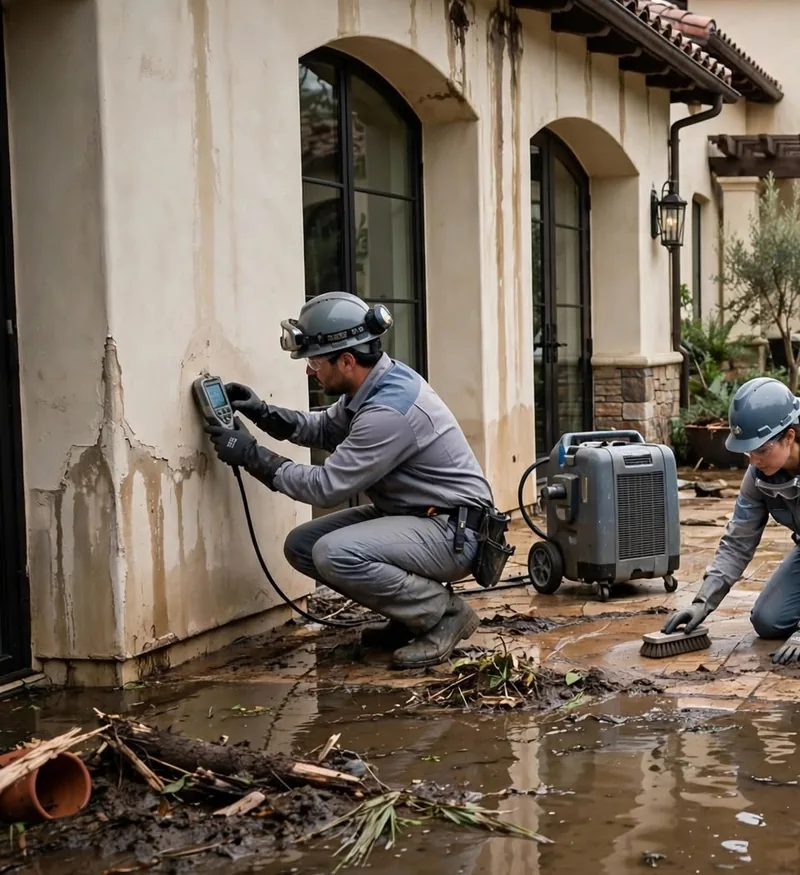
Where appropriate, we use moisture meters to check whether materials are wet. Thermal imaging can help spot damp areas behind surfaces. These tools show moisture, not the exact point of a leak, so findings may need to be confirmed by a plumber or a leak detection specialist.
Planning the Next Steps
Depending on what we find, the next steps may include a plumber to repair the source, water removal, drying, or mold assessment. See Water Extraction & Removal, Structural Drying & Dehumidification, and Mold Remediation. Industry guidance such as the ANSI/IICRC S500 standard guides how wet materials are handled.
Why Hidden Leaks Matter in Pensacola's Climate
Moisture does more damage here than in dry climates.
Humidity, Mold, and Slow Damage
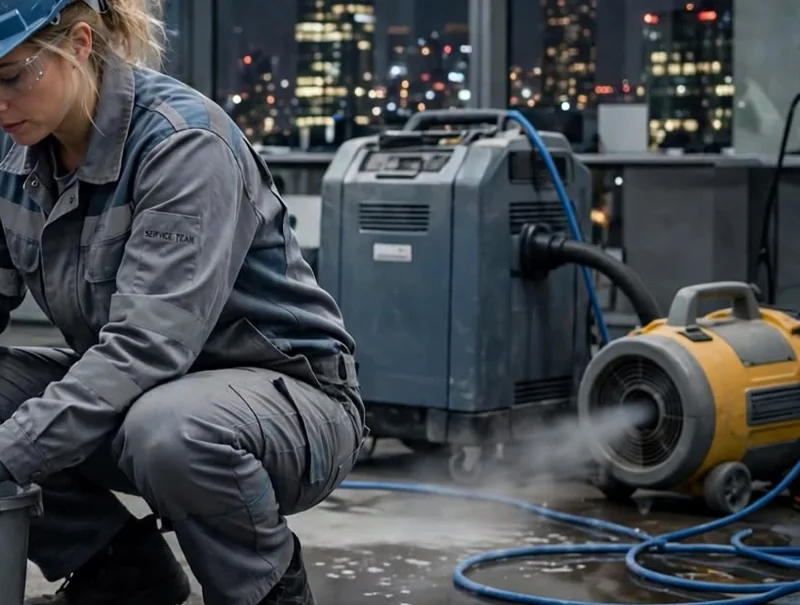
Warm, humid air slows drying and helps mold grow. The U.S. Environmental Protection Agency advises drying wet materials within 24 to 48 hours to help prevent mold growth, and a hidden leak can leave materials wet for weeks.
Wood, Plaster, and Older Construction
Wood floors, framing, and plaster in older Pensacola homes absorb water and can rot, cup, or crack over time. Catching a leak early protects them.
Water Leak Detection Near Me in Pensacola, FL
If you need help with a suspected leak near you, our office is at 238 W Intendencia St, Pensacola, FL 32502. We serve properties across Pensacola, including ZIP codes 32501, 32502, 32503, 32504, and 32505.
When you call, tell us your address or neighborhood, what you have noticed, and whether the problem appears after rain or at other times. We will confirm whether we can help at your location and what we can assess.
Residential and Commercial Leak Concerns
For Homes and Rentals
A hidden leak can damage floors, walls, and belongings. If you rent, tell your landlord or property manager right away, put the request in writing, and keep copies of your photos and messages.
For Businesses and Property Managers
Leaks in commercial buildings can spread across tenants and shared walls. Contact us early so the affected areas can be assessed. See Commercial Water Damage Restoration.
Related Work That May Need Another Professional
Assessing moisture is not the same as repairing a leak. After drying, we can also handle repairs and rebuilding, such as drywall, insulation, and flooring. A licensed plumber or a leak detection specialist is needed to find and fix a concealed leak. A roofer may be needed for roof leaks, an HVAC contractor for air conditioning drain problems, and an electrician for wet electrical systems. We will tell you when another professional is needed so the cause is fixed and the damage does not return.
Contact Pensacola Restoration Pro About a Suspected Leak
If you have noticed stains, dampness, or an unexplained water bill, do not wait for the damage to grow.
Reach Us Any Hour
What to Tell Us When You Call
Share your address or neighborhood, what signs you have noticed, when they began, whether they change with rain or water use, and what your meter and bills show. Have general questions first? Our FAQ page answers many of them.