
Mold Remediation in Pensacola, FL
Mold grows where moisture stays. After a roof leak, a pipe break, a flood, or a long stretch of damp, humid weather, it can show up on walls, ceilings, and floors and spread into hidden spaces. Pensacola Restoration Pro helps homeowners, renters, and businesses in Pensacola, Florida with mold remediation and the moisture problems that cause it.
We are available 24/7 for emergency calls, and estimates are free. Describe what you see. We will talk through the next steps for your property.
- 24/7 Emergency Calls
- Free Estimates
- Licensed and Insured
Why Mold Is Common in Pensacola
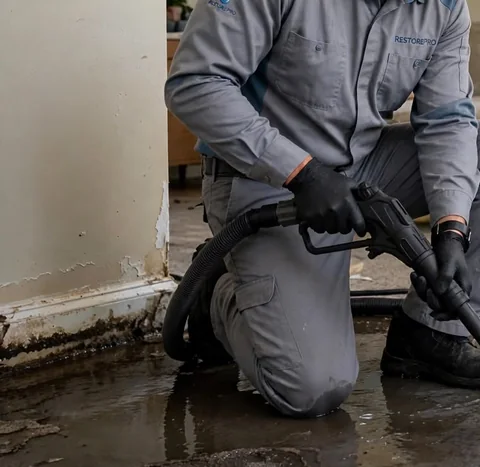
Pensacola's climate gives mold a head start. Warm temperatures, high humidity, frequent rain, and tropical storms keep many buildings damp. Mold needs very little water to start, so even small leaks and condensation matter.
Humidity, Heavy Rain, and Hurricane Season
Wet weather, humid air, and storm water can leave materials damp for days. Wet drywall, carpet, wood, and insulation that stay wet can begin to grow mold within a day or two.
Water Damage That Was Not Fully Dried
The most common cause of mold in a building is water damage that never dried completely. The U.S. Environmental Protection Agency advises drying wet materials within 24 to 48 hours to help prevent mold growth. Slow leaks, hidden leaks, and cleanup that only dried the surface often miss that window.
Older Homes, Attics, and Crawl Spaces
Many homes in North Hill, East Hill, and Seville Square are decades old. Attics, crawl spaces, and closed-in walls can stay damp and poorly ventilated, which supports mold growth out of sight.
Signs of a Mold Problem
Mold is not always visible. Look for these signs.
What You May See
- Fuzzy, spotted, or stained patches on walls, ceilings, or floors
- Discoloration on drywall, grout, or caulk
- Peeling or bubbling paint
- Warped or stained wood
- Growth on stored items, in closets, or around windows
What You May Smell or Notice
- A musty, earthy odor, especially in closets, attics, or cabinets
- Rooms that always feel damp or humid
- Condensation on windows or walls
- Sneezing, itchy eyes, or stuffiness that gets worse in one room
A smell or a stain does not prove mold. Other things, such as dirt or moisture damage, can look similar. A licensed mold assessor can confirm what you have. People with asthma, allergies, or other health concerns should talk to a healthcare provider.
What Causes Mold to Grow
Mold needs moisture, a place to grow, and time. Remove the moisture and the growth stops. That is why finding the source matters as much as removing what you see.
Leaks and Water Intrusion
Roof leaks, pipe leaks, water heater leaks, and storm water can all start mold. See Roof Leak Water Damage, Burst Pipe Water Damage, and Flood & Storm Damage Cleanup.
Condensation and High Indoor Humidity
Air conditioning that runs poorly, bathrooms without good ventilation, and clothes dryers vented into the house can leave moisture on cold surfaces. In Pensacola's humid climate, this is a common hidden cause.
Hidden Moisture in Walls, Floors, and Ceilings
Water travels. A leak in one spot can wet a wall cavity or subfloor far away. If you suspect a hidden leak, see Water Leak Detection.
What to Do If You Find Mold
Take careful steps that limit exposure and prevent the problem from spreading.
Avoid Disturbing It
Do not scrub, sand, or brush mold, and do not blow air over it. Disturbing it can spread spores to other rooms. Turn off fans that blow across the area if you can.
Fix the Moisture Source
Stop the leak, if you can do it safely, and reduce humidity. Mold will come back if the moisture stays. Have a licensed plumber or roofer repair the source when needed.
Know When to Handle It Yourself and When Not To
The EPA says small areas, roughly under 10 square feet, may sometimes be handled by the owner with proper protection. Larger areas, mold in HVAC systems, mold after sewage or floodwater, hidden mold, or anyone in the household with health concerns call for a professional.
Document What You See
Take photos of the affected areas and the water damage that came before. Keep records for your insurer. Documentation does not guarantee coverage, and many policies limit mold coverage, so check your policy.
How Our Mold Remediation Process Works
The steps below follow common industry practice, including ideas from the ANSI/IICRC S520 standard for mold remediation. The exact scope depends on the size of the problem, the materials, and the moisture source.
Assessment and Planning
In Florida, mold assessment and mold remediation are licensed separately, and the same company generally cannot do both on one job. A licensed mold assessor inspects, may take samples, and writes a plan. A licensed remediator then carries it out. We work from the assessor's plan and explain each step.
Containing the Area and Controlling Air Quality
Before work starts, the affected area is sealed off from the rest of the building to limit the spread of spores. Air filtration, such as HEPA filtration, can help capture airborne particles during the work.
Removing Mold and Damaged Materials
Mold on hard surfaces can often be cleaned. Porous materials such as drywall, insulation, carpet, and ceiling tile that are moldy or very wet are often removed and disposed of properly. Painting or sealing over mold does not fix it.
Cleaning, Drying, and Dealing With the Moisture
Surfaces are cleaned, and the area is dried so mold cannot return. See Structural Drying & Dehumidification. If water damage caused the mold, see Water Extraction & Removal and Emergency Water Damage Restoration.
Checking the Results
After the work, the area can be checked, usually by the licensed assessor, to confirm that the remediation met its goals. We cannot guarantee that mold will never return, because new moisture can bring it back.
Where Mold Often Grows
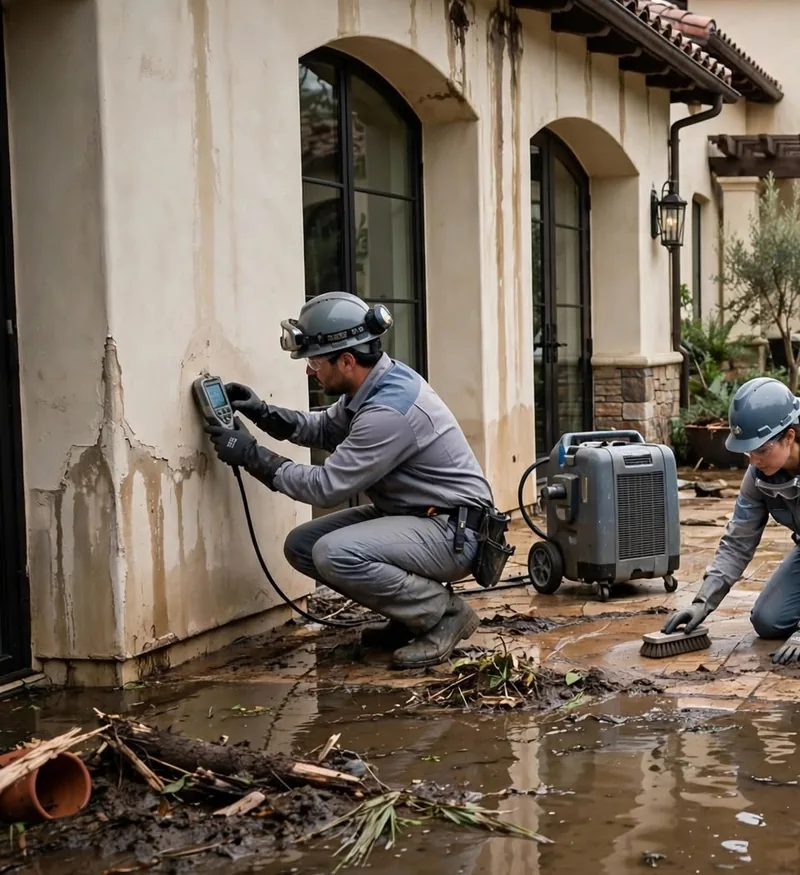
Knowing the usual places helps you check early.
Bathrooms, Kitchens, and Laundry Rooms
These rooms have water, steam, and warm air. Mold shows up around tubs, sinks, window frames, and behind appliances.
Attics, Crawl Spaces, and Closets
Poor ventilation and hidden leaks make these spaces common problem areas. Look for dark patches on wood, wet insulation, and musty smells.
Behind Walls, Under Floors, and Around Air Conditioning
Mold can grow where you cannot see it, including wall cavities, under carpet, and around duct work and drain pans.
Mold Remediation Near Me in Pensacola, FL
If you need mold help near you, our office is at 238 W Intendencia St, Pensacola, FL 32502. We serve properties across Pensacola, including ZIP codes 32501, 32502, 32503, 32504, and 32505.
When you call, tell us your address or neighborhood, where you see mold or smell dampness, what water problems came before it, and whether anyone in the building has health concerns. We will confirm whether we can help at your location.
Residential and Commercial Mold Remediation
For Homes and Rentals
Mold in a home can affect comfort and belongings. If you rent, tell your landlord or property manager right away, put the request in writing, and keep copies of your photos and messages.
For Businesses and Property Managers
Mold in an office, shop, or rental building can affect staff, tenants, and operations. Contact us early so the affected areas can be assessed. See Commercial Water Damage Restoration.
Related Work That May Need Another Professional
Remediation deals with existing mold and the damaged materials. After drying, we can also handle repairs and rebuilding, such as drywall, insulation, and flooring. We do not find or repair the leak behind it. A licensed plumber or roofer may be needed for that. Mold testing and inspection are performed by a licensed mold assessor. HVAC problems may need an HVAC contractor, and electrical systems that got wet need a qualified electrician. We will tell you when another professional is needed so the cause is fixed and the mold does not return.
Contact Pensacola Restoration Pro About Mold
If you have seen mold or smelled dampness, do not wait for it to spread. Describe what you see and we will talk through the next step.
Reach Us Any Hour
What to Tell Us When You Call
Share your address or neighborhood, where you see or smell mold, how large the area is, what water problem came before, and whether the leak is fixed. Have general questions first? Our FAQ page answers many of them.